Sign In To Your Bushel Tools
Agribusiness Customers
Sign InBushel-Powered Apps
Find My AppBushel (Farmer)
Sign In
Bushel Wallet
Sign In



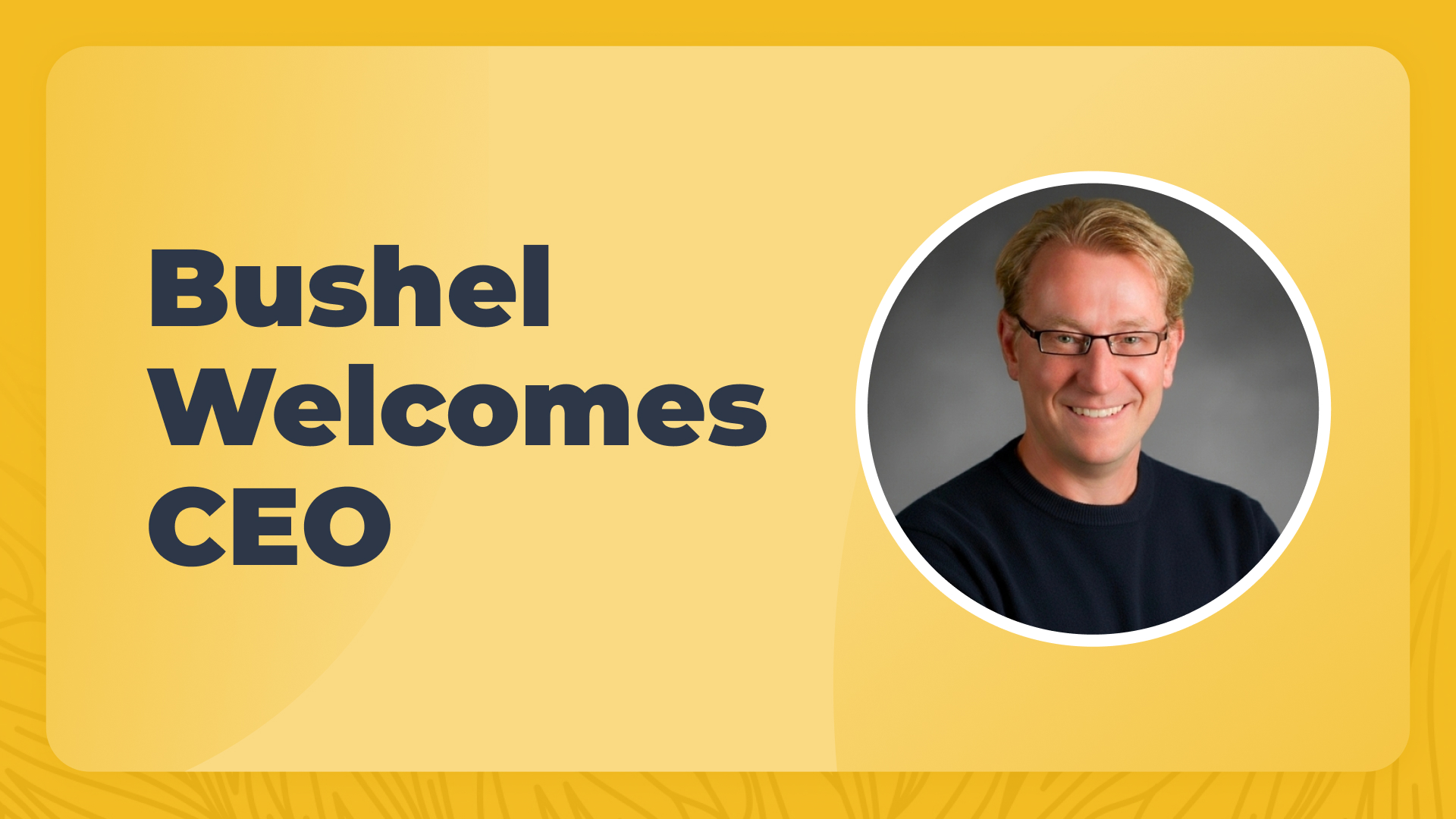
by Jim Kaskade, CEO, Bushel
My dad grew up on a farm in Superior, Wisconsin. Today, his son became CEO of a company built for farmers.
Bushel announced this morning that I've joined as CEO, with co-founder Jake Joraanstad moving into the role of Chief Product Officer. I've been a CEO for 25 years. This one is personal.
Dad left that farm to become an Army Ranger. We didn't have much, and as a kid I asked him how to become a business owner. I've spent my career answering that question. These days I ask a better one: what's worth building?
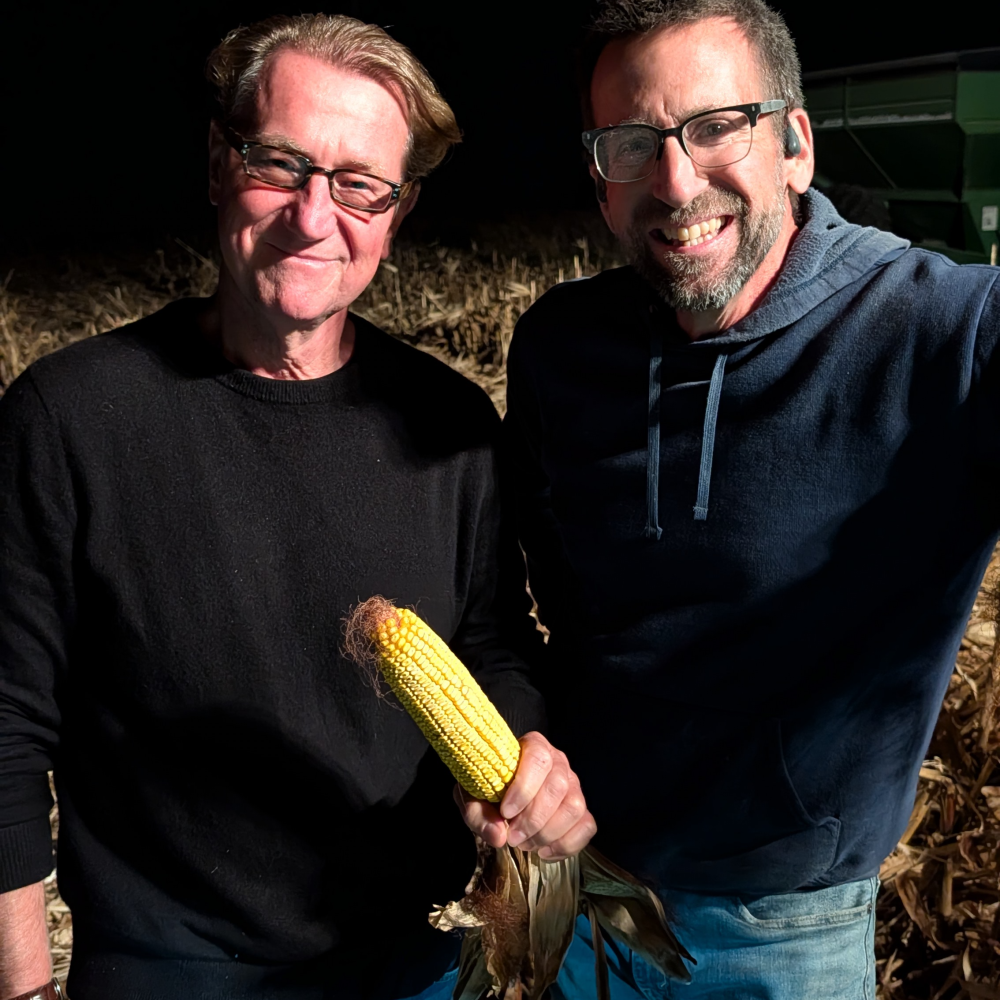
I've always been drawn to what I call a vertical of purpose: an industry where the work matters beyond the balance sheet. Agriculture is the clearest one I know. What happens between a farmer and the businesses they work with affects everyone sitting at the dinner table.
My dad's family knew the work in the field is hard. What most people never see is how much of the hard part comes after harvest: selling the grain, managing the contracts, tracking the invoices, waiting on the check. Too much of that still runs on phone calls, paper, and systems that don't talk to each other.
Bushel is fixing that. Jake founded the company in 2017, and today Bushel serves more than 3,500 grain and ag retail facilities. Our mission is to connect farmers with the crop buyers, retailers, suppliers, and lenders they do business with every day, so buying, selling, and getting paid happens online seamlessly. It's a network no single agribusiness could build on its own.
What makes Bushel rare is that it brings agtech and fintech together on one network. Most ag software digitizes the paperwork. Most fintech moves money but doesn't understand a grain contract. Bushel does both: the place where a farmer sells grain is the place they get paid, and their lender can be part of it too. In an industry where most settlements still go out as paper checks, that matters. And it doesn't stop at fall harvest. The same rails can carry spring, when farmers pay for seed, fertilizer, and inputs.
Our purpose says it plainly: We believe farming is hard enough. Doing business in agriculture shouldn't be. Bushel exists to make the business of feeding the world simple.
And our vision has a finish line: enable every one of America's nearly 2 million farms to transact digitally with their agribusinesses and lenders by 2031. That's my answer to what's worth building.
What sealed it for me was the people. This team has built something real in a demanding industry, and they care deeply about the customers they serve. That's the kind of team I want to lead.
I'm a culture-led CEO. I start with people, then align on strategy, then obsess over execution. After 30-plus years, five exits, and plenty of hard quarters, the lesson is always the same: companies don't win because of a strategy deck. They win when people trust each other enough to tell the truth, ask for help, and pull in the same direction.
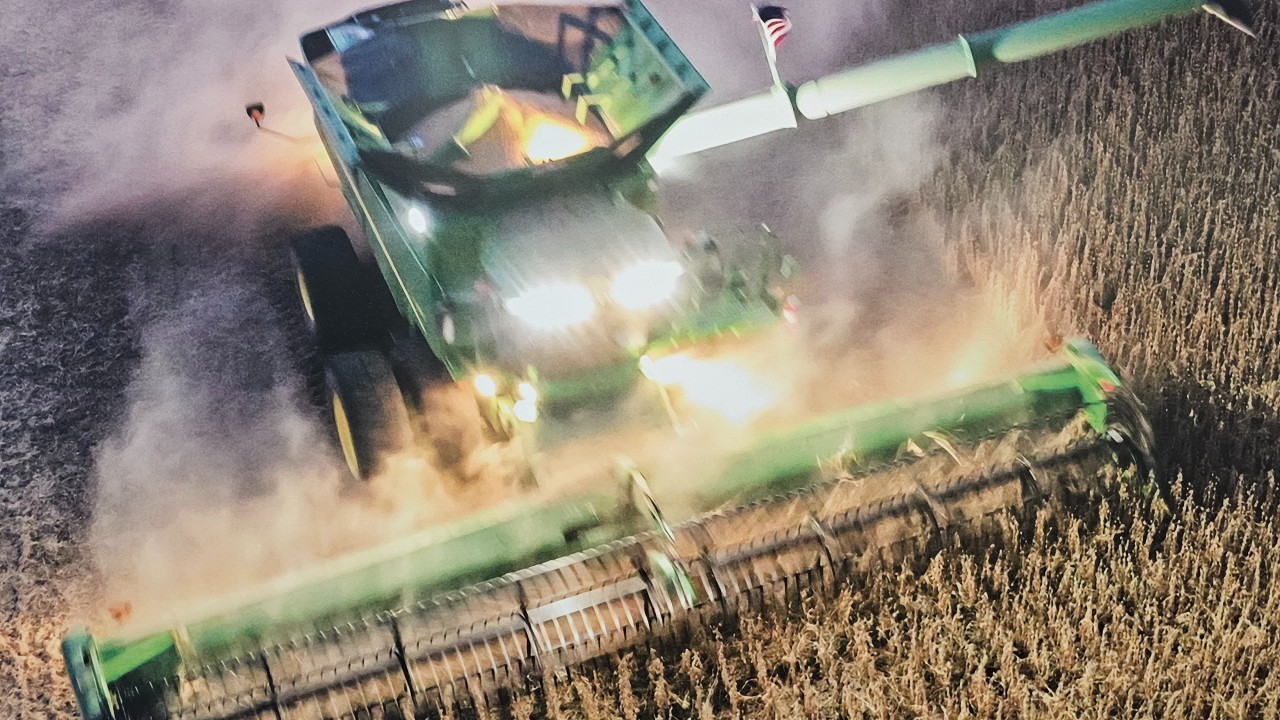
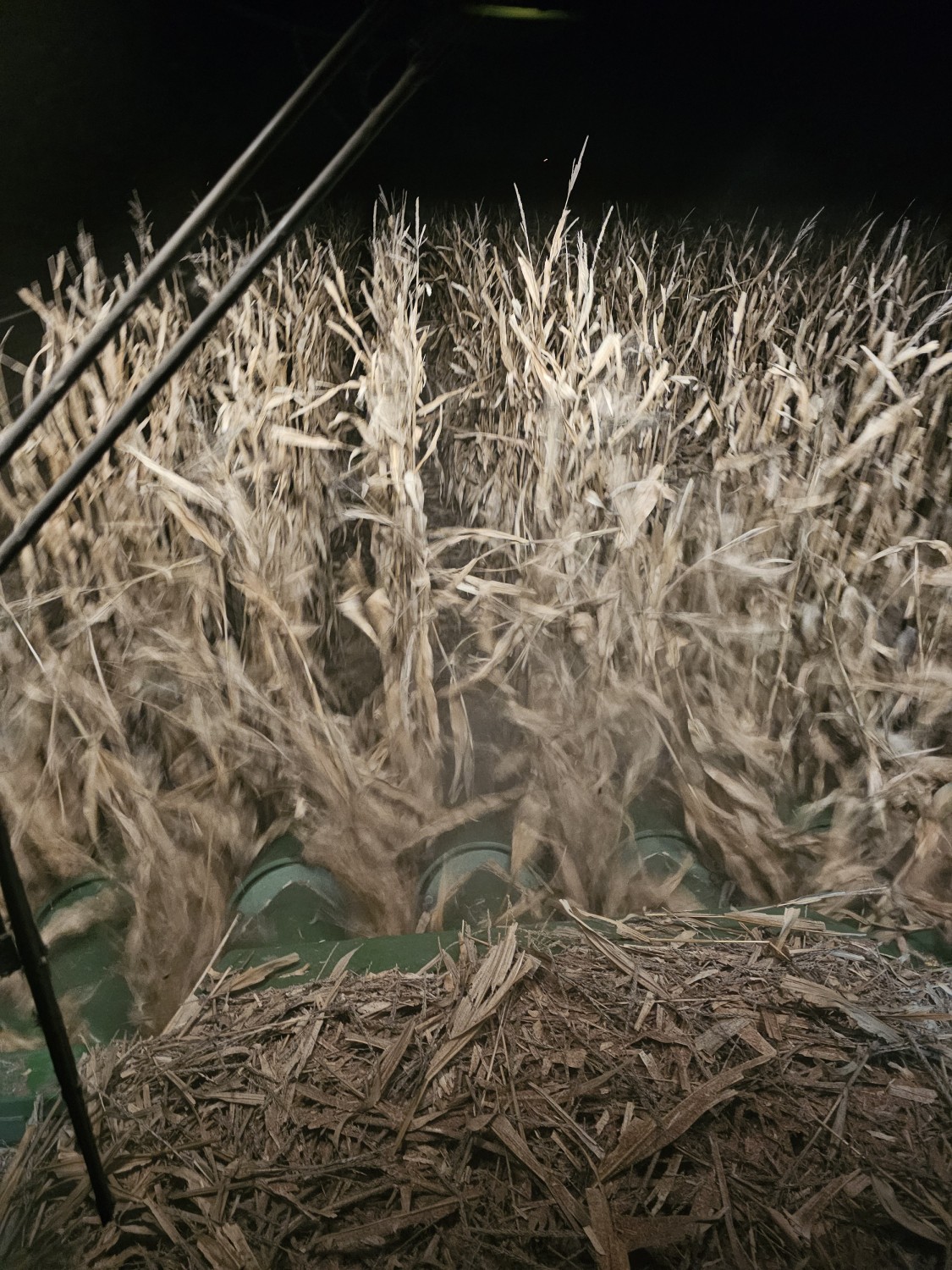
At Bushel, we've put that into six words: One Reality. One Future. One Team. Picture a combine at harvest. One Reality: everyone reads the same yield monitor. One Future: the whole crew works to bring the crop in before the weather turns. One Team: the header, the thresher, and the grain cart running alongside move in sync, because when one part stops, the whole harvest stops.
I also want to thank Jake. A founder choosing to bring in a partner takes real humility and real care for the company. He built the foundation, and now he gets to focus on what he does best: building products our customers love, including the AI-powered capabilities that will shape agriculture's next chapter.
If you're a farmer, a grain buyer, an ag retailer, or a lender, I want to hear from you. Tell me what's hard about doing business today. That's where we'll start.
My dad left the farm to serve his country. Decades later, his son gets to come back to agriculture and serve it in a different way. I can't think of a better reason to go to work.
P.S. Hope you appreciate the tie between Veterans Day 2026, today, and my move into this vertical of purpose. What are you doing to make a positive impact, and what legacy are you building towards?